 Sacrament

A tabletop roleplaying game of plague, penance and permitted evil
Sacrament
The Chapel of Leo has forgiven everything you are about to do.
Sacrament
The Chapel of Leo has forgiven everything you are about to do.
Playtests will open in small congregations. Leave an address to be called when a seat is free.
Bells still ring in towns that have buried half their number. The roads are older than the kings who claim them, and the kings are younger than the hunger. Some villages cut stone in the manner of cathedrals; others have never seen a printed page. Nobody agrees what century it is, and the Chapel has stopped correcting them.
Sacrament is set in an ambiguous passage between the medieval and the Renaissance. Plague returns each season under a new name. Harvests fail in rotation. Learning is rediscovered in cellars and burned in squares, often the same week.
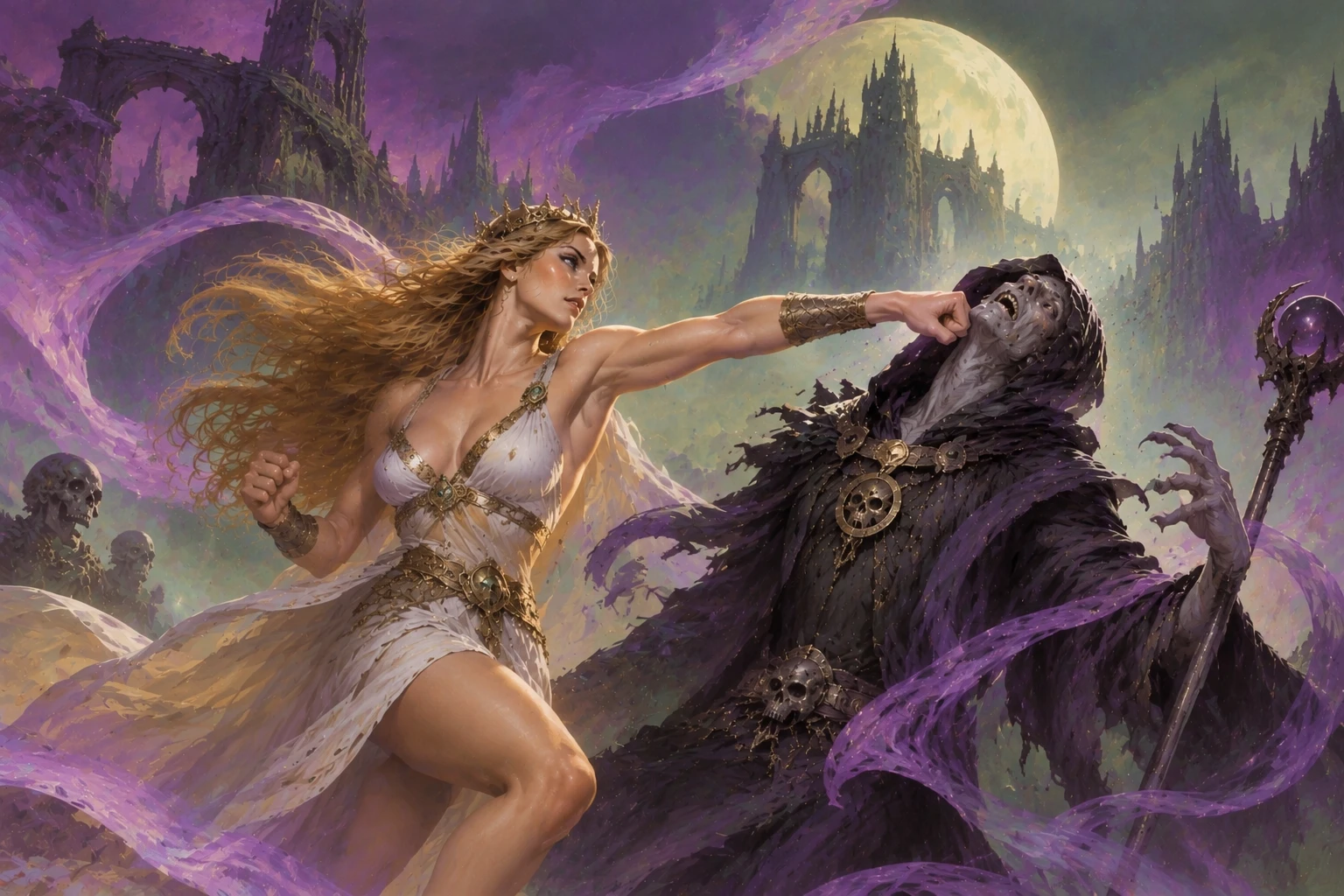
Troy, Carthage and Rome all stand, but not where the histories put them. Their names survive; their coasts, rivers and walls have been moved by centuries of rumour, flood and redrawn maps. Travellers who carry an old atlas are advised to burn it.
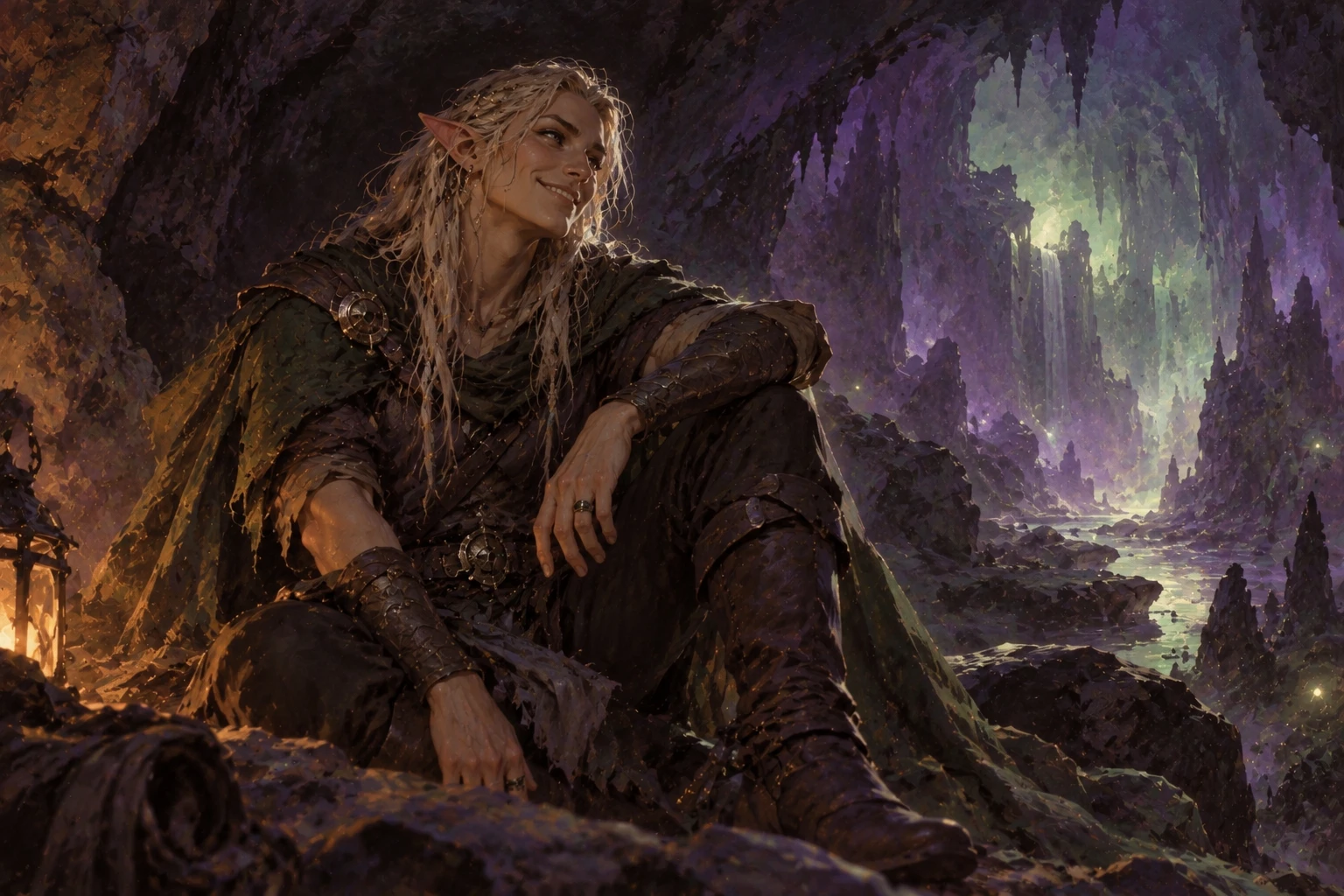
Past the last toll-road, civilisation thins to watchtowers and burned fields. Beyond them live the elves of the east, tall, courteous and patient, who eat the people they catch. Every border parish pays the Chapel for protection, and the Chapel keeps a list of which parishes are cheaper to lose.
The Chapel does not claim to be good. It claims to be necessary. Its doctrine, Holy Expediency, holds that any act which preserves the Church preserves the world, and that a preserved world can be forgiven at leisure. Its priests are patient, practical and rarely cruel for pleasure. They are cruel on schedule.
What keeps the Chapel standing is holy. What threatens it is heresy, whatever it was yesterday.
Sin is a debt, and debts can be sold. The Chapel sells indulgences by the village, the family and the act.
Someone always pays for the many. The Chapel decides who, and records it as a sacrament.
A truth that cannot be used is a rumour. A truth that can be used belongs to the Chapel.
“We do not ask whether it is right. We ask whether it will hold.”Attributed to a confessor of Leo, draft text
Roll a d20, add an attribute and beat the difficulty. Spend six tokens a round on actions and spells. Use magic and the Looming Horror rises. Take too much harm and your Wounds fill. That is the whole game, and the rules page walks through it with an example of play.
The VTT is a tile map, tokens, dice and the party’s Looming Horror in one page, in your browser. No account and no download.